When decision makers talk about "good web design", they often mean different things. Some focus on visuals. Others on user experience. Others simply want a website that generates leads. The challenge is that design is subjective — but good web design is not.
What defines good web design?
Good web design balances aesthetics, usability, clarity, performance, and strategy. It helps users understand what you offer, trust your business, and take action. A beautiful website that confuses users is not good design. A technically strong website that looks outdated is not good design either.
| Pretty design | Good web design |
|---|---|
| Focuses on visuals | Focuses on clarity and purpose |
| Trendy layouts | Consistent, scalable systems |
| Looks modern today | Works long-term and supports growth |
| Attractive fonts | Readable, accessible typography |
Core criteria of good web design
1. Clear and intuitive structure
Your website should answer three questions within seconds: What does this business offer? Is this relevant to me? What should I do next? If a visitor can't answer these quickly, design is failing.
2. Strong, readable typography
Typography influences clarity more than visuals. Good design uses consistent font sizes, clear hierarchy, and strong contrast. If you're wondering how to implement this in a conversion-focused way, that article covers the design-conversion relationship in detail.
3. High-quality visual identity
Your website should express your brand — colours, imagery, layout rhythm, visual balance. Authentic images outperform stock photos. Custom illustrations create identity.
4. Mobile-first experience
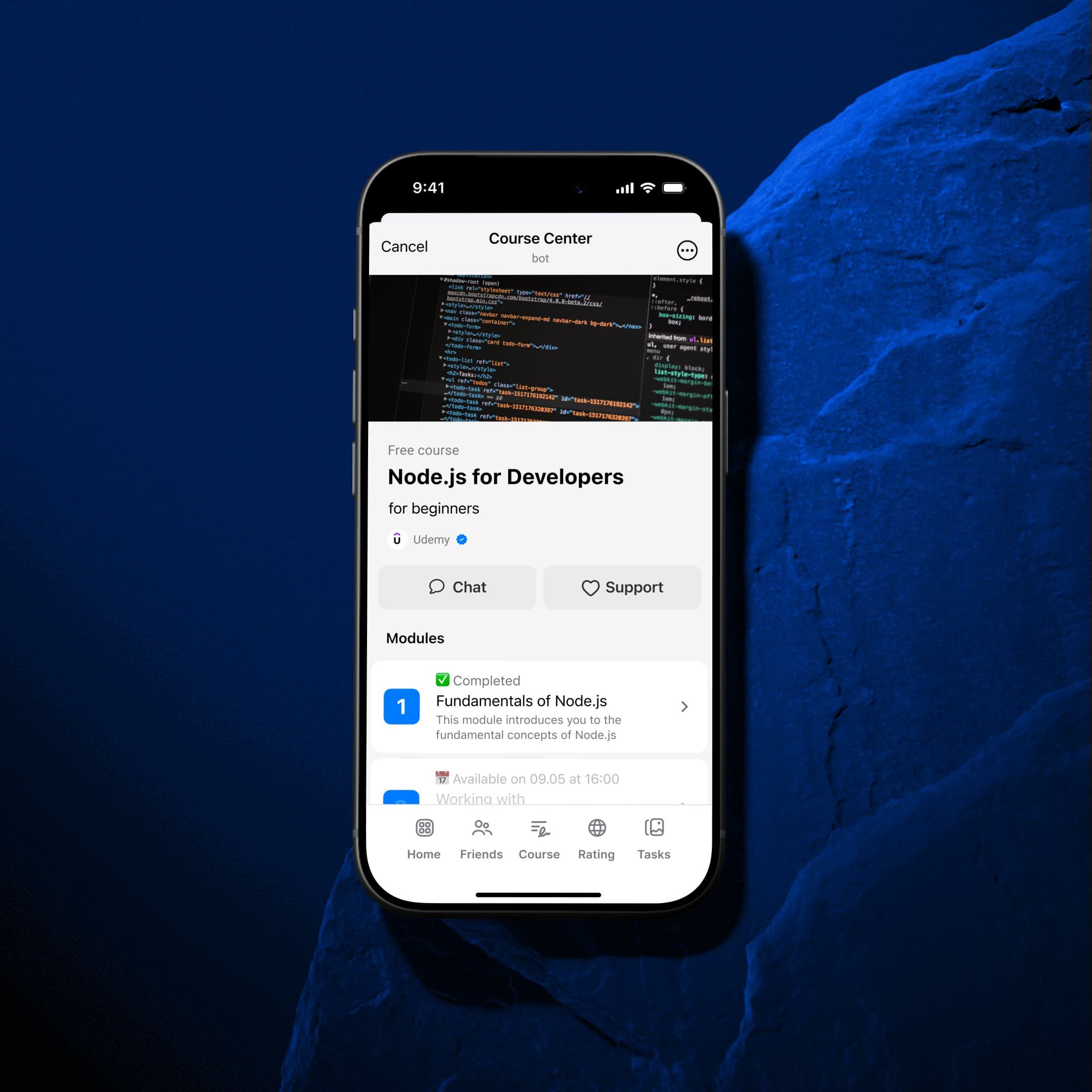
Many SMEs underestimate mobile usage. Industries like trades, consulting, and local services often receive more than half of their traffic from smartphones. See modern web design trends for how leading companies approach mobile in 2026.
5. Speed and performance
Modern users expect instant loading. Fast websites convert better and rank better. Performance is a design principle, not only a technical requirement.
6. Accessibility and usability
High contrast, keyboard navigation, logical headings, alt text, and readable font sizes benefit all users — and signal professionalism to search engines.
7. Conversion-oriented layout
Good design leads visitors toward action: contact form, booking page, CTA, quote request. CTAs should feel natural, not aggressive.
8. Scalable design system
Good design grows with your business. When you add new pages, they should automatically fit the system.
Common mistakes that make websites look unprofessional
- Overcomplicated layouts that try to show everything
- Too many fonts and colours creating visual inconsistency
- Heavy animations that dominate rather than support
- Weak mobile experience
- Old or generic stock photos
- No clear calls to action
Conclusion
Good web design is not about trends. It's about creating a website that helps users understand you quickly, trust you deeply, and act confidently. For SMEs in Germany, Switzerland, and the Netherlands — where customers expect precision and professionalism — design quality directly shapes business performance.
— FREE SEO CHECK
Your site has more SEO potential than you think.
20-min call — we pull up your site and show you exactly where the traffic is hiding. Real analysis, no pitch.