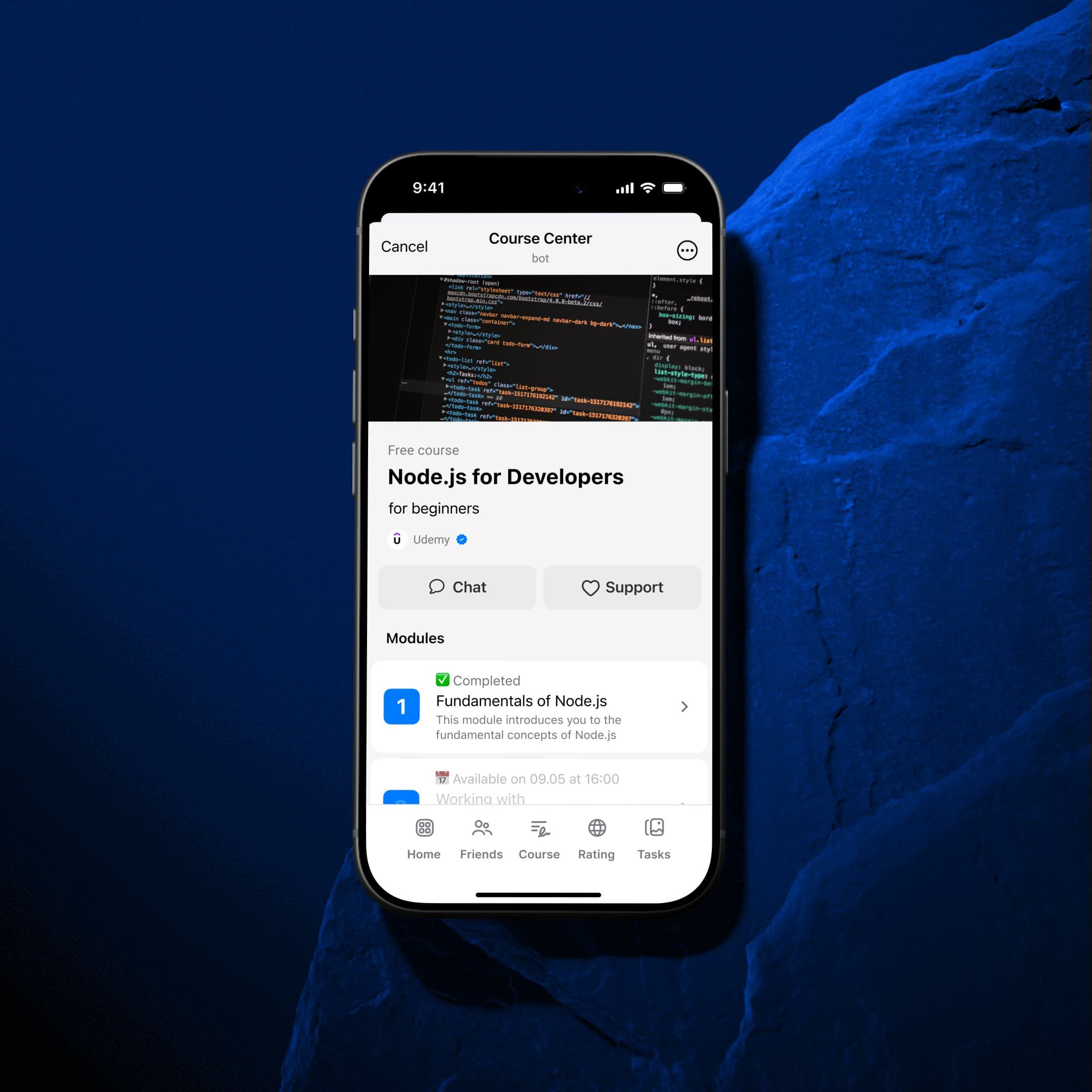
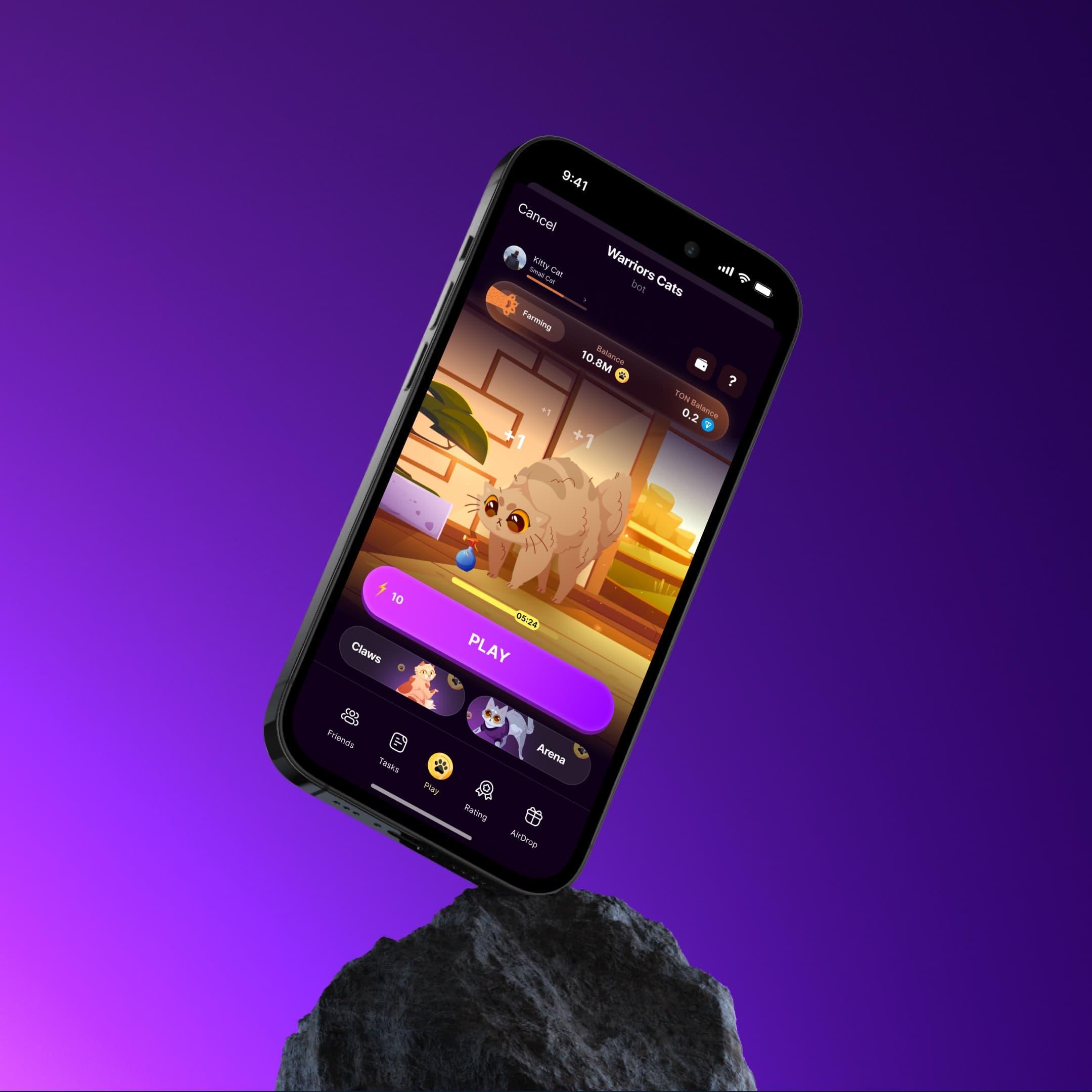
A responsive website uses flexible grids, fluid images, and CSS media queries to detect the visitor's screen size and rearrange or resize content accordingly. Rather than building separate desktop and mobile versions, a single responsive design serves all devices.
Why responsive design is essential
Over 60% of web traffic in Germany now comes from mobile devices. A site that is difficult to use on a smartphone will lose visitors, leads, and sales. Google also uses mobile-first indexing — meaning it ranks your site based on its mobile version, not the desktop version.
Responsive design and SEO
Google has required mobile-friendly design as a ranking factor since 2015. Sites that fail mobile usability checks see ranking penalties. A properly responsive site with fast load times and accessible tap targets performs better in both search and conversion.
Common responsive design mistakes
Designing for desktop first and retrofitting mobile is a common error that leads to cluttered mobile layouts. The best practice is mobile-first design, which forces clarity and prioritisation, then progressively enhances for larger screens.