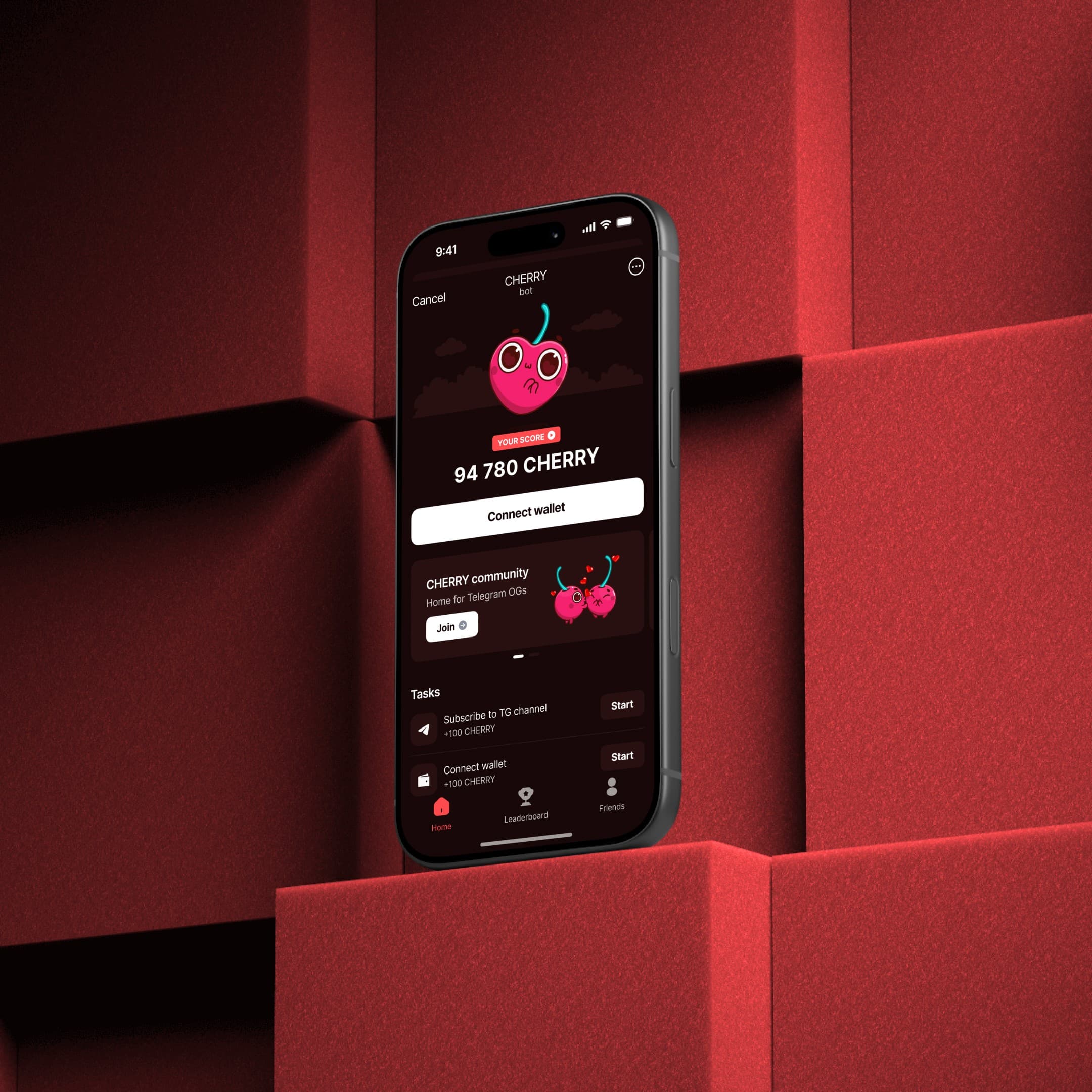
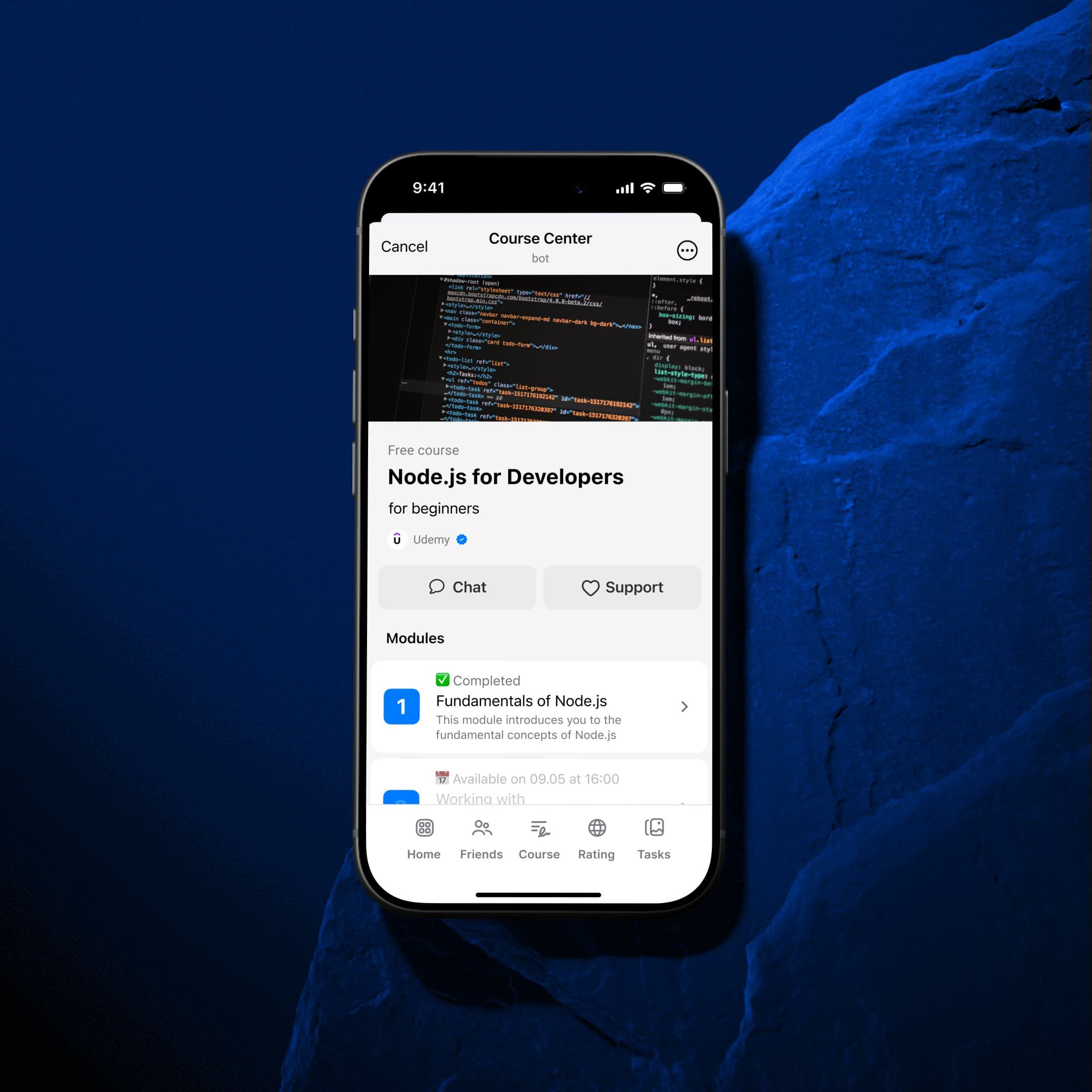
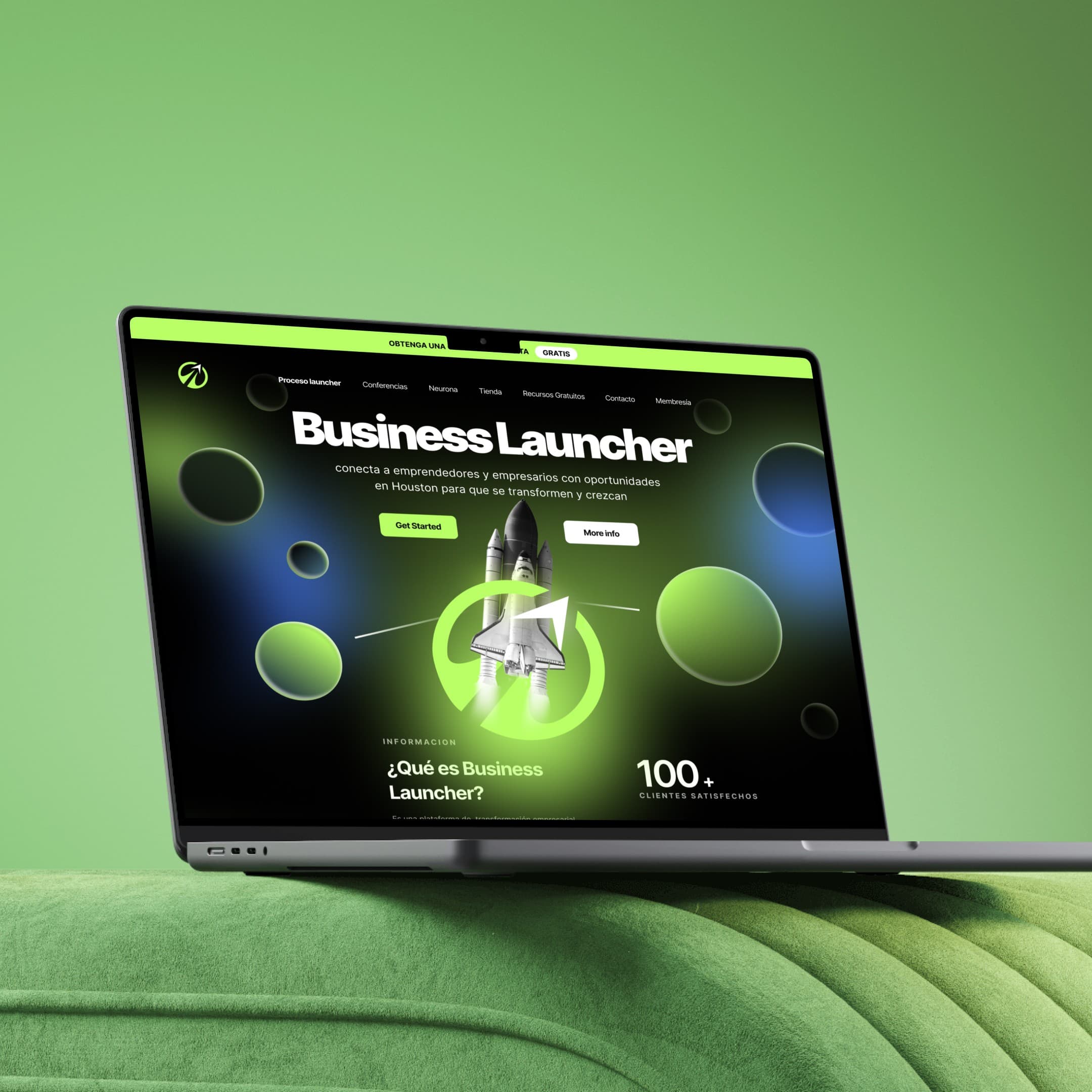
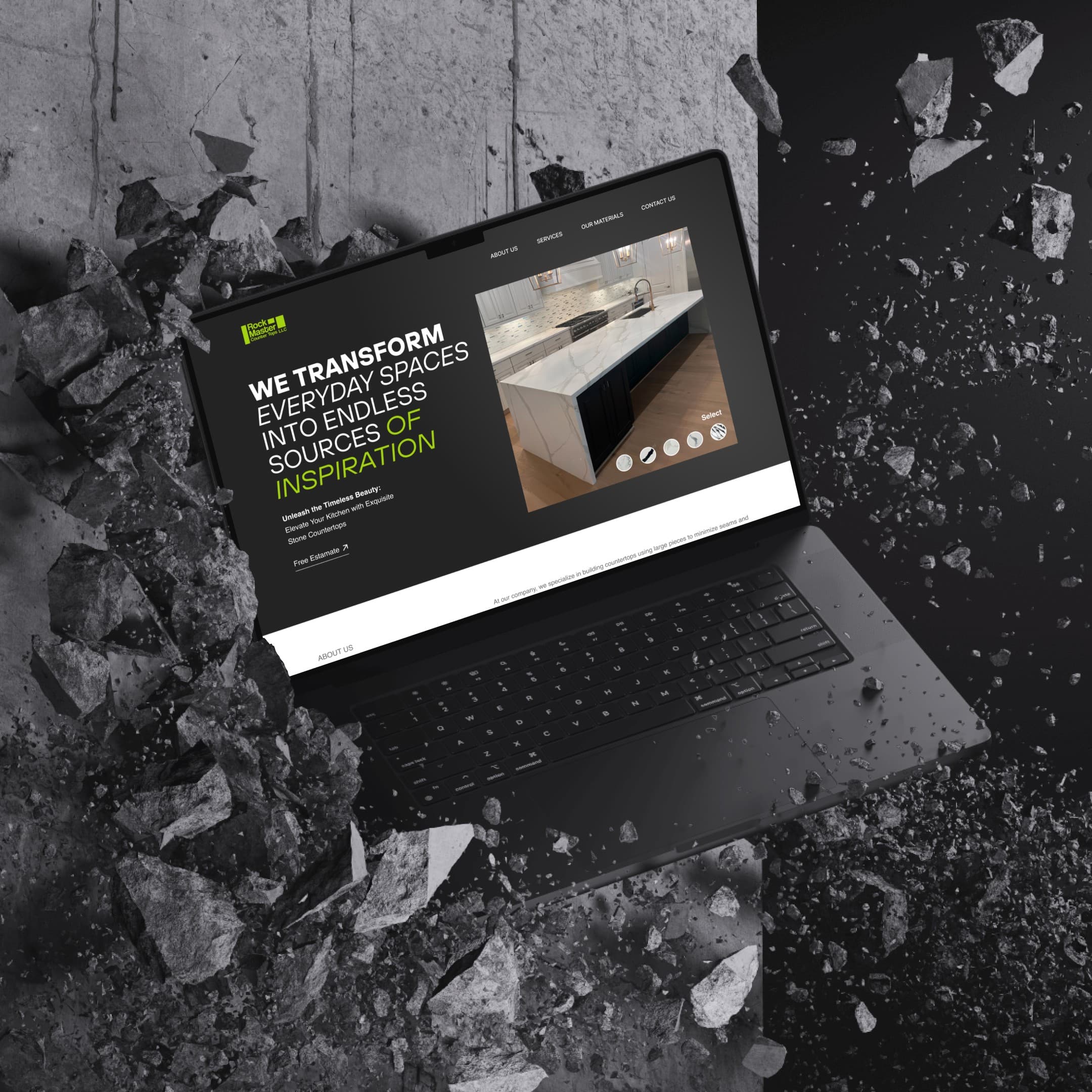
UX design encompasses research, information architecture, interaction design, and usability testing. Its goal is to reduce friction and confusion so users can achieve their goals quickly and confidently.
UX vs. UI design
UX and UI are often confused. UX design focuses on the overall experience — how a user moves through a flow, where confusion occurs, what actions they need to take. UI design (User Interface design) focuses on the visual execution of those interactions — colours, typography, buttons, and spacing.
UX design in practice
A UX process typically starts with user research (interviews, analytics review), moves to wireframing and prototyping, and ends with usability testing before development. In commercial web projects, UX design is closely tied to conversion optimisation — every UX decision either reduces or adds friction in the path to conversion.
Why UX matters for business
Poor UX has a measurable cost: users abandon forms with too many fields, leave slow-loading pages, and distrust sites with unclear value propositions. A well-designed UX reduces bounce rates, increases engagement, and directly lifts conversion metrics.